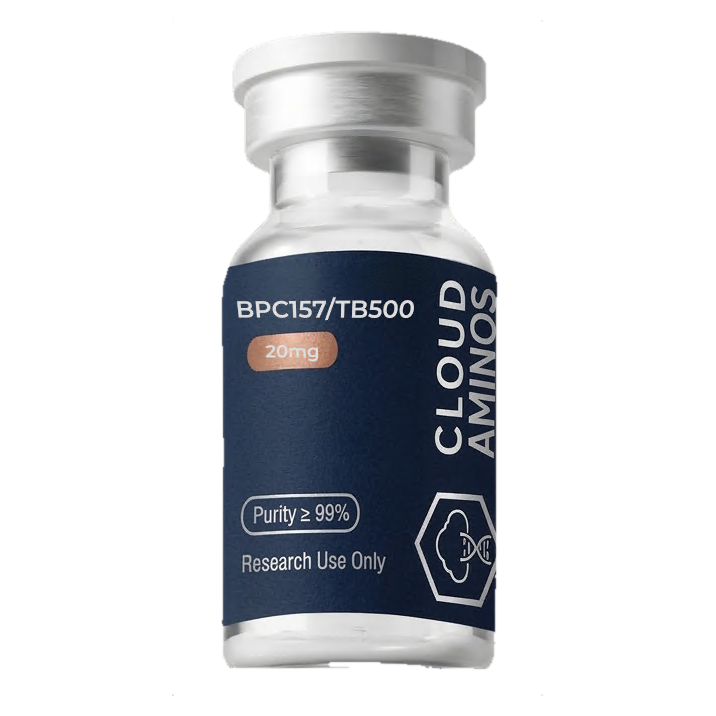
Wolverine Blend (BPC-157 + TB-500)
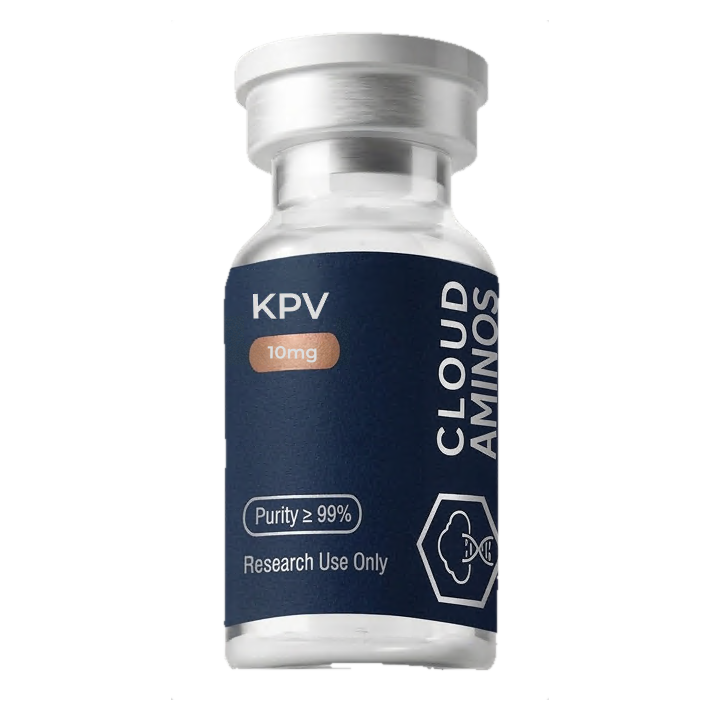
Combination of BPC-157 and the thymosin beta-4 fragment TB-500, studied together in recovery, tissue-repair and cellular-migration research. Supplied as lyophilised powder.
Size:
Price:
$60.00
Quantity:
Bulk Options:
Free shipment protection on every order. Damaged items are replaced at no cost with photo evidence. Flat $5 UPS Ground shipping (2-5 business days) on every order.
Similar Products
Wolverine Blend (BPC-157 + TB-500) Research Overview
BPC-157 is a 15 amino acid fragment of a protective protein found in human gastric juice. It is studied for tendon, ligament, muscle and gut healing, and it is one of the most widely used research peptides in the recovery space.
Also known as: Body Protection Compound 157, Pentadecapeptide BPC 157, PL 14736, Bepecin
Background
BPC-157 is a synthetic peptide made up of 15 amino acids. Its sequence is taken from a larger protective protein that occurs naturally in the stomach lining, which is where the name Body Protection Compound comes from. It was first characterized by a research group in Zagreb, Croatia in the early 1990s, and that same group is responsible for the large majority of published studies on it. It is stable in gastric acid, which is unusual for a peptide and is why it has been studied both orally and by injection.
The animal evidence is extensive. Dozens of rodent studies report faster healing of cut Achilles tendons, crushed muscles, ligament injuries, bone fractures, skin wounds and various gut injuries including ulcers, fistulas and colitis. There are also rodent studies on nerve repair, protection against drug toxicity and vascular effects. The consistent theme is that the peptide promotes new blood vessel growth and cell migration at the site of damage.
Human evidence is thin. A small number of early phase trials were run for inflammatory bowel disease, and one small trial looked at knee pain with intra-articular injection. Results were described as favorable but were never followed by large controlled trials. Almost everything people cite about BPC-157 in clinical literature comes from anecdote. It is also worth knowing that nearly all the rodent work comes from a single lab, so independent replication is limited.
Mechanistic Profile
BPC-157 is thought to work mainly by upregulating growth factor signaling at injury sites. It increases expression of VEGF and its receptor, which drives angiogenesis, the formation of new capillaries that feed a healing wound. It also activates the FAK-paxillin pathway, which helps fibroblasts and tendon cells migrate into damaged tissue and lay down new collagen. In the gut it appears to interact with the nitric oxide system and protect the mucosal barrier. Some researchers also point to modulation of dopamine and serotonin systems as a reason it affects mood and gut motility in animals. Much of this is inferred from rodent tissue, not human data.
Reported Research Findings
Accelerated healing of surgically cut Achilles tendon in rats, with improved biomechanical strength and tendon-to-bone reattachment. (rodent)
Reduced gastric ulcer formation and protected the stomach lining against NSAIDs and alcohol in rats. (rodent)
Promoted tendon fibroblast migration and survival in culture via FAK-paxillin signaling. (in vitro)
Improved healing of muscle crush injury and restored function in rodents when given systemically or locally. (rodent)
Small human trials for ulcerative colitis and knee pain reported tolerability and some benefit, but were never published as full controlled trials. (human pilot)
Analytical Validation, Formulation and Storage
Purity: 99% or higher as verified by HPLC, with a third-party certificate of analysis available per batch.
Formulation: lyophilised (freeze-dried) powder in a sterile sealed glass vial, to be reconstituted with an appropriate solvent for laboratory use.
Reported half-life: Under 30 minutes in plasma (estimated); tissue effects last much longer.
Storage: keep lyophilised material cool, dark and dry (long-term at or below -20 °C). Store reconstituted solutions refrigerated, avoid repeated freeze-thaw cycles and use within laboratory-defined windows.
Selected Literature
Stable gastric pentadecapeptide BPC 157: novel therapy in gastrointestinal tract (review). Current Pharmaceutical Design, 2011.
Achilles tendon healing in rats with BPC 157, tendon-to-bone reattachment. Journal of Orthopaedic Research, 2003.
BPC 157 promotes tendon fibroblast outgrowth and migration via FAK-paxillin pathway. Journal of Applied Physiology, 2011.
Brain-gut axis and pentadecapeptide BPC 157: theoretical and practical implications (review). Current Neuropharmacology, 2016.
Cloud Aminos supplies Wolverine Blend (BPC-157 + TB-500) as a high-purity research material intended strictly for controlled laboratory use in vitro or in established animal models. This compound is not approved as a drug, diagnostic or dietary ingredient and is not manufactured, packaged or marketed for human consumption, self-experimentation, clinical application or any use outside properly designed and ethically approved research protocols.
Chemical Properties
Common Research Questions
BPC-157 is a 15 amino acid fragment of a protective protein found in human gastric juice. It is studied for tendon, ligament, muscle and gut healing, and it is one of the most widely used research peptides in the recovery space.
Frequently Asked Questions
Customer Reviews
Great blend
Both peptides tested at over 99% on the certificate. Powder cake was intact on every vial.
Marcus D. Verified purchase
Consistent quality
Consistent quality across every batch of TB-500 we have ordered. The public COA library saves us so much back-and-forth with our compliance team.
Lab Manager, BioResearch Inc. Verified purchase
Solid
Reconstitution went perfectly and I saw no pieces floating around. Unbeatable quality for the price.
Elena R. Verified purchase